Nadia is planning her quinceañera.
She’s not at school. She’s at home. She’s deciding what she cares about for the celebration, what kind of tone she wants, who matters, what makes her feel most herself. Then she’s brainstorming options, sketching plans, working through the staging. Then she’s executing the design. And when something goes sideways, as something always does, she’s looking back honestly at what worked and what didn’t, then iterating.
In other words, without thinking about it, she’s running the four phases of the Design Process she’s been using on every project at Da Vinci Schools for four years. Care. Conceptualize. Create. Critique.
She isn’t doing it because anyone told her to. She’s doing it because it’s how she thinks now.
That moment, when a skill shows up in a kid’s life with no teacher in sight, no rubric, no audience to perform for, is the test. The whole test. If a school says it develops critical thinking and the only place that critical thinking ever lives is on a worksheet, the school didn’t develop critical thinking. It developed worksheet behavior.
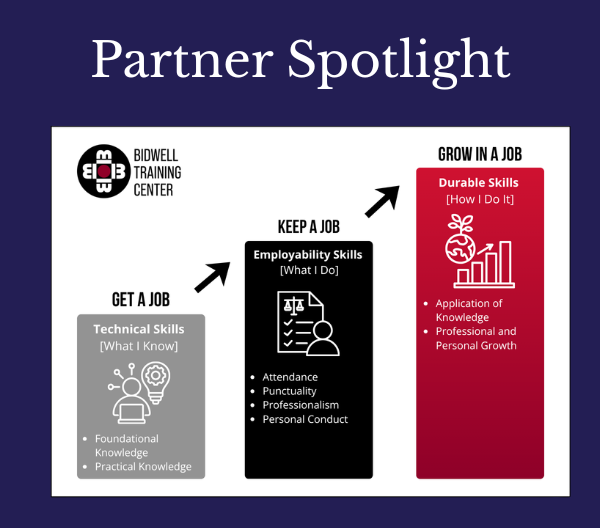
This is what “durable” actually means.
Across the twelve schools we studied for The Path Forward, this is the part that surprised us most. Not the rigor of the work inside the building. The reach of the work outside it.
Kayla, also at Da Vinci, runs a cake decorating business. She uses the same four phases when she designs a cake. I’ll conceptualize, I’ll make my design, and then I’ll execute it, and it does not always turn out how I want. And so that’s where I go in and I can kind of critique myself and think about what I can do differently next time. Former Da Vinci students contact teachers years later to say they’re still using the framework, planning weddings, starting businesses, navigating career transitions.
Tyler arrived at One Stone in Boise with a GPA below 2.0. He left having learned that opportunities aren’t really given to you, you have to really go and seek them out. So in college he didn’t wait. He cold-called epidemiologists at the Idaho Department of Health. He emailed faculty about research positions. He chased an NIH-funded summer program at the University of Missouri. He published three papers as an undergraduate. He’s now a PhD candidate. The skill that left the building was the seek-don’t-wait skill, and it ate his life in the best possible way.
Ava, also at One Stone, learned to find her voice in admissions interviews and Design Lab critiques and the messiness of having coaches give honest feedback on her really crappy designs. The skill left the building too. She uses it at her job now to advocate for raises, correct paycheck errors, and tell a manager when something’s wrong. Most adults can’t do that.
Grace at GO CAPS Monett doesn’t say I want to be a teacher or I’m planning to teach. She says, present tense, I am a teacher. The skill that left the building wasn’t classroom management or lesson planning. It was a professional identity, formed through more than 1,500 hours of teaching real children, that she now carries everywhere.
Brooke, at the same school, is on her way to becoming a flight nurse. The path required reading more than a thousand pages for EMT certification while still in high school. She has said it was brutal. Without that mindset, I think I would have been defeated, because it’s been hard, it’s been really hard. But she’d already lived inside the work. Ride-alongs, hospital rotations, a vision of who she’d be. The vision was durable enough to carry the textbook.
Kaveon at the High School for Recording Arts walked in too shy to make eye contact. He walked out with paid clients. I did two songs. Then I got paid for it. I freestyled on it. And the dude liked it. The skill that left the building was the capacity to do creative work that other people pay for, which is most of what professional life actually turns out to be.
Abi at Batesville High School spent five weeks living with a host family in Spain and saw, through her healthcare work back home, how language barriers shape who gets cared for and how. She is now planning to become a bilingual physical therapist serving Spanish-speaking communities. The empathy left the building. So did the language. So did the strategic clarity about where she could be most useful.
Notice what these students aren’t doing. They aren’t reciting things they were taught. They aren’t performing for an evaluator. They aren’t trying to remember how to be a person. The skill is just present, doing its work, in the texture of how they live.
That’s the test most schools fail. Not because the kids aren’t capable. Because the skills get built in a sealed environment that the kids leave behind the day they graduate. You can’t blame water for not flowing once you take it out of the pipe.
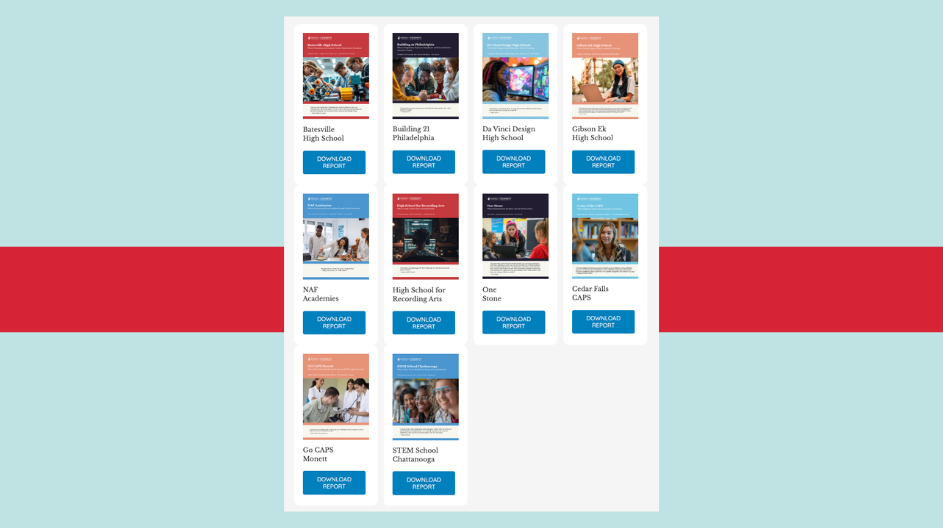
The schools we studied figured out how to develop skills that survive the trip out of the building. The full case for each school is in the school profiles, one for each of the twelve in the study. What they did, who they served, what their graduates carry with them now. They are very different from each other and very honest about what made the work work.
There’s also a tool. We built an AI coaching app, The Path Forward App, trained directly on this research, designed to help educators and leaders think through their own practice in real time. It’s free. It works in plain language. It’s most useful, in our experience, when you have a real situation in front of you and want to think it through with something that knows the principles cold.
And then ask yourself the only question that finally matters in this work.
What walks out of your building with your students?