
Written by: Melody Su
The skills gap is widening—and it’s not about what students study, but how they learn.
According to Shawn VanDerziel, president and CEO of the National Association of Colleges and Employers (NACE), employers are increasingly focused on specific skills rather than credentials alone. While students may excel in multiple academic subjects, that breadth of knowledge isn’t always what makes them stand out in today’s rapidly evolving job market.
The numbers tell a sobering story: The Project Iceberg research at MIT reveals that current AI adoption represents 2.2% of labor market wage value but its capability extends to 11.7% of the labor market ($1.2 trillion in wage value), and Goldman Sachs predicts that 6-7% of the US workforce could be displaced if AI adoption accelerates. In this landscape, what matters most isn’t just what students know—it’s the durable skills they’ve developed, the stories they can tell about their experiences, and their ability to apply learning in real-world contexts.
Faculty as Career Catalysts
Students recognize the connection between classroom learning and career readiness. A study of 6,800 college and university faculty members found that 90% of students seek career advice from their professors, looking for guidance on developing and demonstrating the skills employers value most: communication, teamwork, critical thinking, and problem-solving.
But here’s the challenge: by the time students reach college, they’re underprepared.
Entry-level positions that once served as training grounds are disappearing. Employers expect new hires to arrive with practical experience and well-developed professional skills—not just subject matter knowledge. This puts enormous pressure on higher education to deliver work-ready graduates while simultaneously asking faculty to do more with less time and fewer resources.
Starting Earlier: The K-12 Opportunity
What if students didn’t have to wait until college to develop these essential skills?
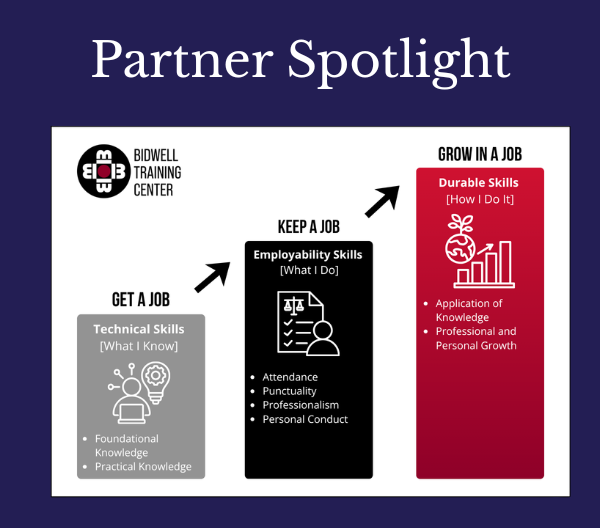
The forthcoming Pathsmith™ K-12 Durable Skills Framework reimagines how we prepare young people for the future by integrating employer-validated skills—like communication, collaboration, critical thinking, and adaptability—into learning experiences from kindergarten through high school graduation.
Rather than adding to teachers’ already full plates, the framework enhances existing curriculum with practical tools that make skill development visible and intentional:
- Student-friendly “I can…” statements that give learners ownership over their growth
- Grade-appropriate rubrics that help teachers recognize and assess skill development
- Reflection tools that connect classroom activities to real-world applications
- Implementation guides designed for busy educators who need ready-to-use resources
From H3 Systems to Student-Centered Learning
Recent discussions about H3 systems highlight the evolving role of educators—not as sole knowledge holders, but as catalysts for learner-centered experiences. This approach emphasizes:
- Agency and ownership: Students understanding and directing their own learning journey
- Innovation and inquiry: Moving from knowledge consumption to knowledge creation
- Connected learning: Recognizing how classroom concepts relate to communities, careers, and civic life
When students practice durable skills throughout their K-12 experience, they develop more than just workplace readiness—they build the foundation for lifelong learning, meaningful work, and engaged citizenship.
Preparing for Tomorrow, Starting Today
The future of work demands more than academic achievement. It requires students who can:
- Apply critical thinking across changing contexts
- Communicate effectively with diverse teams
- Adapt as industries and technologies evolve
- Connect their learning to authentic challenges in their communities
By embedding these skills into everyday classroom experiences—rather than treating them as add-ons or waiting until college—we give all students the opportunity to develop the capabilities that matter most.
The Pathsmith™ K-12 Durable Skills Framework isn’t about preparing students for jobs that exist today. It’s about equipping them with the human and professional skills they’ll need to thrive in whatever tomorrow brings.
Join the K-12 pilot and learn more about Pathsmith™.