Written by: Sherri Widen
| We’re inviting educators from across the country to pilot test resources from the forthcoming K–12 Durable Skills Framework. Whether you’re a classroom teacher, instructional coach, counselor, or youth program staff member, this is your chance to shape tools that will help learners build durable skills — the real-world skills they need to thrive in life, learning, and work. This is an opportunity with low commitment and high impact — and your voice will help shape what comes next. Sign up for the pilot here |
The Right Tools for the Job
The most impactful tools for building durable skills share key qualities: they’re accessible, flexible, and designed with educators’ real-world contexts in mind. The K–12 Durable Skills Project Pilot resources were developed to align with these qualities.
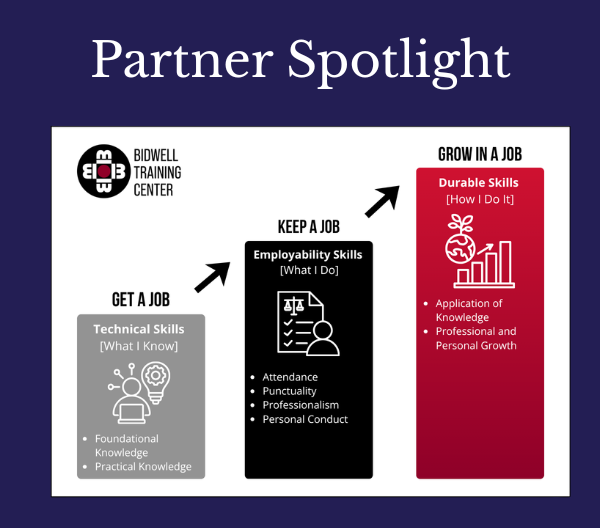
These resources target the transferable durable skills people need to succeed in the workforce (communication, critical thinking, creativity, leadership, and emotional intelligence) and foundational skills learners need including collaboration, active listening, and self-management. These skills are effectively learned through interpersonal (educator-to-learner, learner-to-learner) interactions. As AI-driven and screen-based learning are integrated into the education system, the interpersonal interactions best suited to developing durable skills may become less common.
Intentionally integrating durable skills, centered on interpersonal interactions, into curriculum design balances AI-driven and screen-based learning. This approach ensures that learners develop both the technical and transferable skills necessary in and out of school and for their future careers.
What Educators Want
Teachers thrive when they have materials that embrace their reality: limited planning time, crowded classrooms, competing priorities, and the constant challenge of doing meaningful work with finite resources.
We took a human-centered approach to create classroom-ready, printable resources: feedback from educators and education experts and iterating on the resources. The result?
- Over 32 resources that each provide “how to use,” “first time vs. over time integration tips,” and appendices with learner-facing and educator-facing materials that provide suggestions for supporting additional skills and ways to integrate them into the learning environment.
- The resources for each grade band include “I Can” statements, reflection prompts, observation checklists, mini-activities, and more. They’re immediately usable and adaptable to your unique learning environment.
To keep the lines of communication open, we have a Discord server to bring our community of educators together to share their experiences and learnings.
And to help us learn from educators about what resources work and what can be improved, participants have access to tools that support typed and/or spoken forms of feedback.
Using the resources is straightforward. Educators access what they need, adapt it to their context, and implement it right away.
How It Works Across Grade Levels
The Pilot Project resources include “I Can” statements, vocabulary, reflection prompts, “Look for” formative observation checklists, and mini-activities for each grade band, all designed to support durable skills and integrate easily into educators’ existing routines. Each grade band includes additional developmentally appropriate resources. For example:
- Grades K–2: Kindness Story Sharing Circle helps learners share acts of kindness they’ve noticed and develop verbal communication, empathy, and community connection.
- Grades 3–5: “Organize the Chaos” — learners are given an assortment of objects (e.g., office supplies or kitchen utensils) and asked to work together to sort them. This helps learners practice teamwork, organizational skills, and cooperation.
- Grades 6–8: Skill-Building Project Menu offers low-prep, high-impact projects with built-in reflection opportunities.
- Grades 9–12: Community Discussion Starters facilitate meaningful conversations about durable skills, identity development, and preparation for adult life.
Why This Matters Now
Effective tools share a common trait: they serve the work. The most powerful resources are ones teachers can confidently adapt, own, and integrate into their existing practice.
The pilot project resources support meaningful skill development while respecting educators’ autonomy and time. They’re designed for accessibility, flexibility, and impact.
As AI and digital tools reshape classrooms, how will you ensure your students develop the durable skills that technology can’t replace?