
The credential landscape is expanding rapidly. New programs, badges, frameworks, and pathways are emerging every day, reflecting a growing commitment to skills-based hiring and workforce mobility. But alongside this growth comes a real challenge: confusion.
Learners, workers, employers, educators, and policymakers often lack clear, consistent information about what credentials represent, how they are built, and how they connect to real opportunities. As credential data becomes more digitized, open, and portable, the need for trust, clarity, and shared standards has never been more urgent.
That is why we are excited to share that the Pathsmith™ Durable Skills Framework is now available through the Credential Engine Credential Registry. This collaboration reflects a shared belief between America Succeeds and Credential Engine that openness and transparency are not optional, but essential to building a workforce ecosystem that people can understand, trust, and navigate with confidence.
A Shared Commitment to Credential Transparency
Credential Engine exists to bring clarity to the credential and skills marketplace. Its mission is to map credentials and skills using clear, comparable information so that people can discover and pursue learning and career pathways that truly serve them.
Through technologies like the Credential Registry and the Credential Transparency Description Language (CTDL), Credential Engine provides a common data infrastructure that allows credentials and skills of all kinds to be described, compared, and understood. This transparency benefits learners navigating options, employers evaluating signals, credential providers designing programs, and policymakers seeking to align education and workforce systems.
“Transparency is what makes a credential ecosystem trustworthy,” says Credential Engine CEO Scott Cheney. “Making Pathsmith™ openly available in the Credential Registry gives everyone a clear reference point for durable skills. This kind of openness not only builds trust, but also ensures that credentials are meaningful and useful across the workforce ecosystem.”
At its core, credential transparency is about trust. When people can see what is inside a credential, how it was developed, and how it connects to skills and outcomes, the system works better for everyone.
Why Pathsmith™ Belongs in an Open Registry
Pathsmith™ was designed with that same principle in mind.
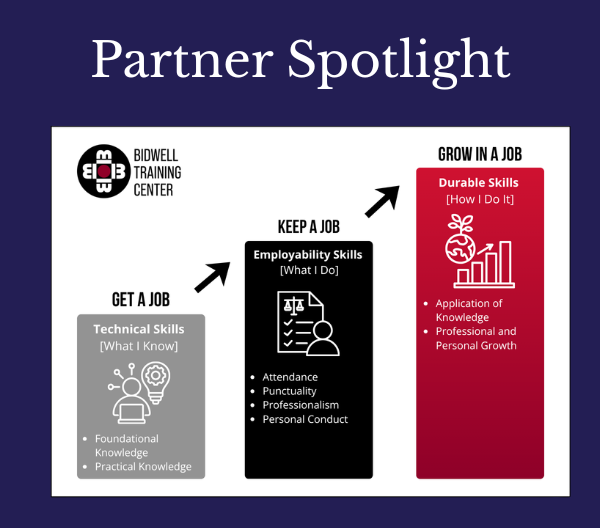
Developed by America Succeeds in collaboration with CompTIA, the Pathsmith™ Durable Skills Framework translates employer demand, drawn from more than 80 million job postings, into a clear and structured competency framework. It focuses on durable skills such as communication, critical thinking, collaboration, and leadership, skills that remain relevant across roles, industries, and career stages.
The framework is intentionally transparent. Its methodology, performance levels, equity considerations, and intended use are clearly documented. It was built with broad stakeholder input, including employers, educators, psychometricians, subject matter experts, and equity-focused researchers. And it is designed for early-career individuals, including those new to the workforce or returning after a significant break.
Making Pathsmith™ available through Credential Engine ensures that anyone building a credential, course, or program can reference the framework freely and indicate how it is being used. Because the methodology and structure are visible, credential providers can see what quality looks like and make better decisions about what to build on top of it.
“Employers are looking for clear, credible signals about what people know and can do,” said Tim Taylor, co-founder and president of America Succeeds. “When frameworks like Pathsmith™ are open and transparent, they become more than tools. They become trusted infrastructure. Partnering with Credential Engine provides another pathway to ensuring that durable skills are visible, comparable, and connected to real opportunity for learners and workers.”
Building a Digital Trust Layer for Skills-Based Hiring
Today, anyone can issue a credential. Without shared reference points or transparency, it is difficult for employers to know which signals to trust and for learners to know which pathways are worth their time and investment.
Open competency frameworks and registries help address this challenge. When frameworks like Pathsmith™ are visible, structured, and accessible through platforms like Credential Engine, they act as a digital trust layer. They allow the ecosystem to compare quality, understand alignment, and innovate without fragmenting the market.
For workforce leaders, this means better signals about what people know and can do. For states and policymakers, it means stronger infrastructure for aligning education, workforce development, and economic mobility strategies. For learners, it means clearer pathways and more informed choices.
A More Transparent Path Forward
The future of skills-based hiring depends not just on new tools, credentials, or technologies, but on the integrity of the foundations beneath them. Transparency about how credentials and frameworks are built is not a nice-to-have. It is essential to trust, comparability, and scale.
By making the Pathsmith™ Durable Skills Framework available through Credential Engine, we are taking a concrete step toward a more open, trustworthy, and effective credential ecosystem, one where skills signals are clearer, pathways are more navigable, and opportunity is easier to access.
We invite workforce leaders, credential providers, states, and policymakers to explore Pathsmith™ in the Credential Registry and to join us in building a system where durable skills are visible, credible, and connected to real economic mobility.